Most interview scorecards measure what is easy to ask, not what predicts ramp. Algorithm trivia and whiteboard puzzles feel rigorous and often select for people who interview well rather than ship in your context.
We design scorecards around time-to-productivity: the behaviors and artifacts that show up in the first 30–60 days on a real team. That shift changes who you hire and how fast they contribute.
We design scorecards around time-to-productivity: the behaviors and artifacts that show up in the first 30–60 days on a real team.
Signals that travel
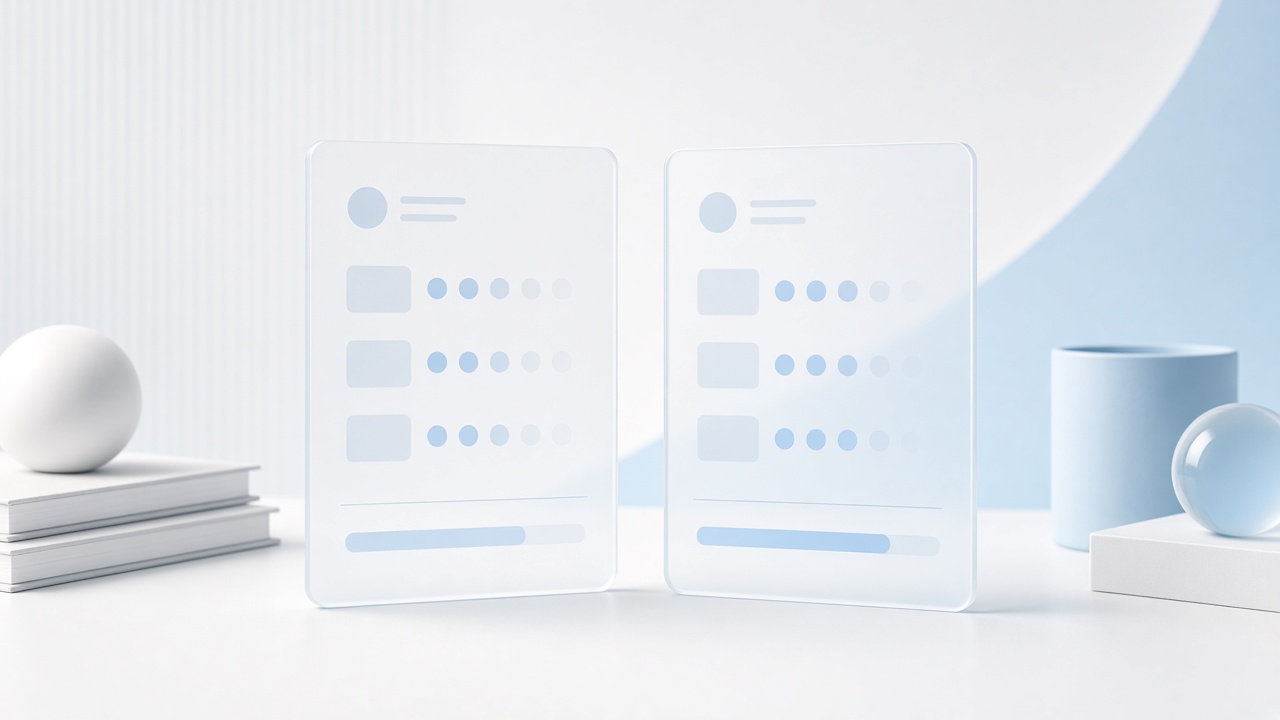
Work-sample reviews, system tradeoff discussions, and written decision notes correlate better with ramp than puzzle speed. Panels score against observable evidence, then debrief with a shared rubric before any hire recommendation.
When hiring managers and recruiters use the same scorecard language, feedback loops tighten and you stop debating gut feel in Slack after the fact.
Closing the loop after day 60
We spot-check new hires against the scorecard that hired them. If a strong hire underperformed on a dimension we scored lightly, that dimension gets weight next cycle. The scorecard is a living instrument, not a PDF in a drive.